5 Most Common TV Antenna Faults in Sydney and When to Call a Pro — A 2026 DIY Diagnostic Guide
By Adam Busuttil, ARB Antennas
In Sydney, a reliable television signal is essential for enjoying your favourite shows. However, many residents encounter issues with their TV antennas that can result in frustrating viewing experiences. Understanding the common faults that may arise with TV antennas can empower individuals to troubleshoot basic problems before seeking professional help. This guide explores the five most common TV antenna faults specific to the Sydney region, enlightening readers on the signs of trouble and effective DIY diagnostics. With this knowledge, you can not only save money on repairs but also enhance your TV viewing experience. In addition, we’ll discuss when it’s time to call a professional technician to ensure your antenna is correctly serviced, providing peace of mind regarding your entertainment setup.
The five most common TV antenna faults in Sydney are:
Residents in Sydney frequently encounter several issues concerning their TV antennas. Being aware of these faults can lead to quicker identification and resolution when problems arise.
- Weak or Unstable Signal: This often manifests as pixelation, freezing channels, or missing stations. Causes can include distance from the transmitter, misalignment, or interference from nearby structures.
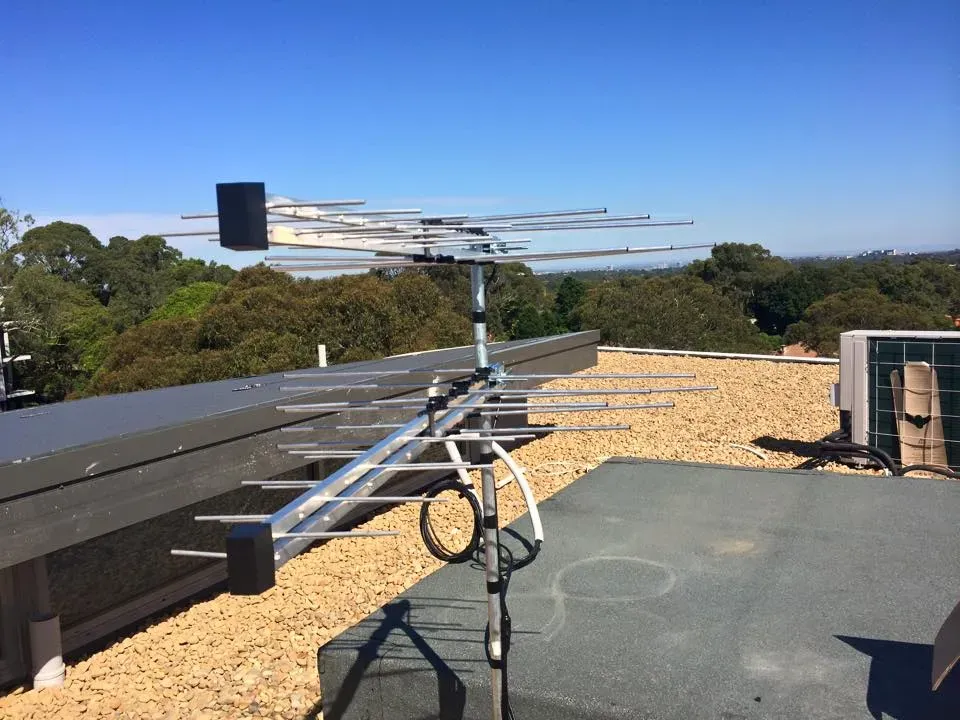
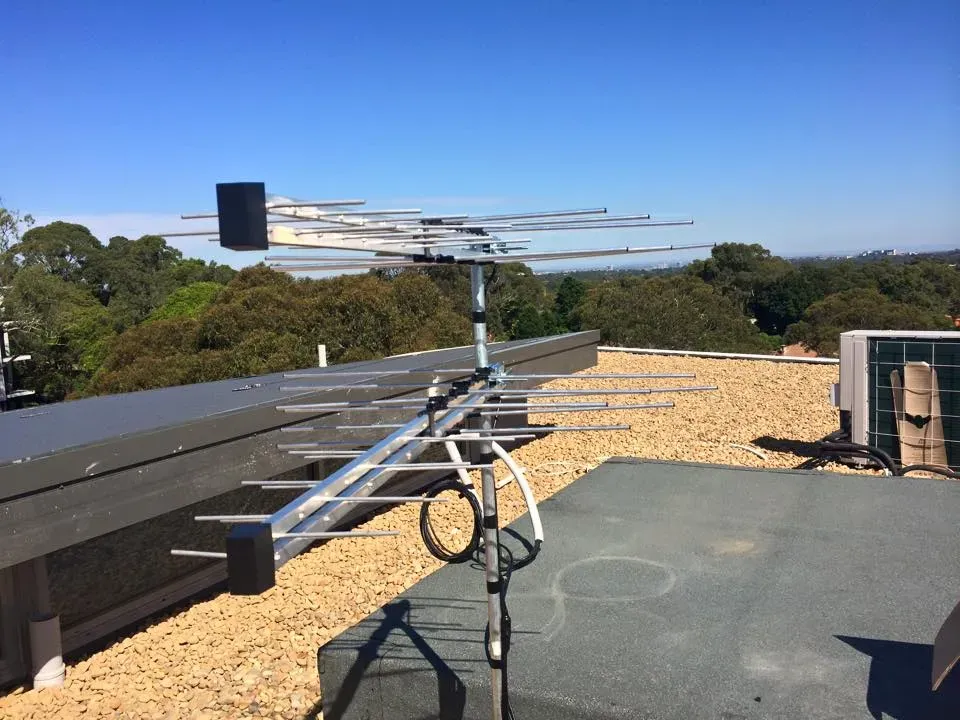
- Antenna Misalignment: Strong winds or storms can shift the position of a roof-mounted antenna, affecting signal direction and reducing clarity. Regular checks are necessary to ensure proper alignment.
- Loose or Damaged Cabling: Cables can wear out or become loose over time, leading to inconsistent or lost signals. Inspecting and securing connections is crucial for maintaining signal integrity.
- Weather-Related Interference: Heavy rain, storms, or strong winds can temporarily impact signal performance, especially if the antenna system is already slightly misaligned or aging.
- Interference from Electronic Devices: Nearby electronic devices or physical obstructions can disrupt signal quality. Identifying and removing these interferences can help improve reception.
Reports indicate that television broadcasts themselves can generate harmonics that cause interference, as evidenced by a review of Sydney’s analogue television license plan.
GPS Interference by Television Broadcasts in Sydney
Television broadcast channels generate harmonics of an order smaller than 10, which instigate interference. A review of the ‘Draft Licence Area Plan for Sydney Analogue Television’ [12] revealed the specific frequencies employed by these channels.
GPS interference detected in Sydney-Australia, AG Dempster, 2007
When to Seek Professional Help:
Sometimes, issues with TV antennas exceed simple troubleshooting. Knowing when to call a professional can prevent further damage and ensure optimal performance.
- If signal issues persist after basic troubleshooting (e.g., checking connections, adjusting antenna position).
- When there is visible damage to the antenna or cabling.
- If reception problems affect multiple TVs in the home.
- When the antenna is mounted in a hard-to-access location, requiring safe roof access for repairs.
- For complex issues involving interference or when DIY diagnostics cannot restore reliable reception.
Professional technicians can provide accurate diagnosis and repairs, ensuring long-term reliability and optimal performance of your TV antenna system.
Understanding potential sources of clutter further clarifies why professional intervention might be necessary to resolve complex interference problems.
Radio Frequency Clutter and Television Interference within the Australian Context
Key contributors include radio and television broadcast antennas. Out-of-band and spurious emissions are potential sources of interference. Refer to the correlated Australian television channel assignments for additional detail. Mapping and Recognition of Radio Frequency Clutter in Various Environments in Australia, 2010