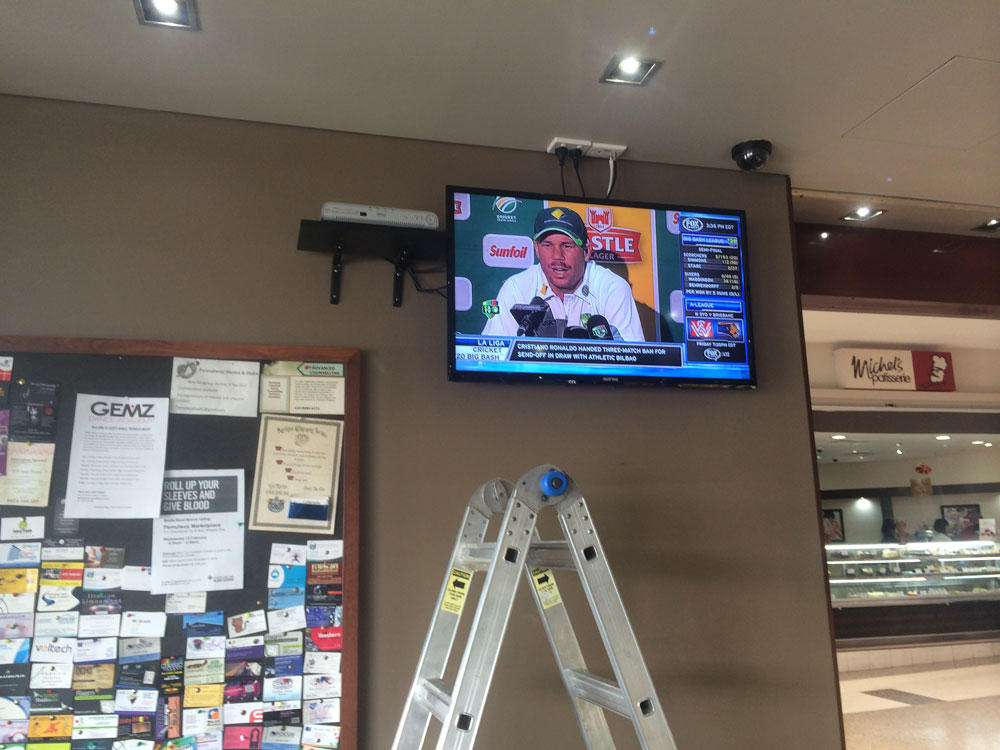
The Ultimate Guide to Home Theatre Installation in Penrith
How to Choose the Best Home Theatre Setup in Sydney for 2025
A thoughtfully designed home theatre combines picture, sound and room design to deliver cinema-level experiences at home, and 2025 brings clearer choices thanks to widespread 4K/8K displays, HDR formats and immersive audio like Dolby Atmos. This guide explains what a modern home theatre is, how the main components interact, and the practical steps you can take to match gear to room, budget and viewing habits. Many Sydney homes face retrofit constraints such as shared living spaces and visible cabling; this guide outlines display and audio trade-offs, room planning and acoustic fixes that work in common Australian layouts. It also explains why professional installation and calibration often make the difference between a collection of equipment and a balanced system, and where to look for local services. Read on for essential components, room-layout rules, the benefits of expert installation in Sydney, and realistic budgeting with various investment levels and local offers to help you decide.
What Are the Essential Components of the Best Home Theatre Systems in 2025?
A modern home theatre system centres on five core component groups: the display, the audio system, source devices, control and cabling, and seating. Each component influences perceived quality because display resolution and HDR affect image fidelity, speakers and AV receivers shape spatial audio, source devices control codecs and streaming quality, and cabling and calibration determine whether signals reach components without loss. Choosing the right mix requires matching hyponyms such as 4K TV, 8K TV, OLED, laser projector and soundbar to your room and budget. Professional installation is recommended for optimal mounting, cable concealment and calibration; specialists can ensure safe TV wall mounting and accurate system tuning, and many local installers offer on-site setup and calibration to save time and reduce retrofit risks.
This section lists the essential components and why each matters:
- Display: Selects image size, resolution and HDR capability for clarity and contrast.
- Audio system: Defines immersion through speakers, subwoofer and Atmos-capable amplification.
- Source devices: Provide 4K/HDR streams and lossless audio formats from Blu-ray or streamers.
- Cabling & control: Ensures reliable signal paths, network control and neat installation.
- Seating & room treatment: Shapes viewing angles, sightlines and acoustic response.
These components work together to deliver a cohesive experience, so prioritise balance over single-item extremes.
Which Display Options Should You Consider: 4K, 8K TVs or Projectors?
Displays determine screen size, ambient-light tolerance and viewing distance; a 4K TV delivers sharp detail at typical living-room distances, while 8K increases pixel density for very large screens or very close seating, and projectors offer cinema-scale image sizes suited to darker, dedicated rooms. Display → provides → image resolution is the primary trade-off: TVs (OLED/LCD) handle ambient light and contrast well, whereas projectors (laser or lamp) scale affordably for screens 100″+ but need light control. For many Sydney living rooms, a 4K OLED or QLED TV balances contrast and daylight performance; for dedicated media rooms, a laser projector with an ALR screen can create an immersive experience. Consider viewing distance calculators that map screen size to resolution to choose the right display for your space.
Intro to display comparison table and quick guidance:
| Display Type | Resolution Strength | Ideal Room Type |
|---|---|---|
| 4K TV (OLED/LCD) | Excellent contrast, HDR | Living rooms, mixed light |
| 8K TV | Very high pixel density | Large screens, close seating |
| Laser Projector | Large image, cost-effective scale | Dedicated, controlled light rooms |
This table clarifies when each display type is most appropriate and helps narrow choices based on room lighting and desired screen size.
How Do Dolby Atmos and Surround Sound Enhance Your Home Cinema Experience?
Dolby Atmos adds height channels and object-based audio to traditional channel-based systems, creating three-dimensional soundscapes where audio objects move precisely around listeners. Atmos → creates → immersive soundfield describes how overhead or upward-firing speakers add verticality that standard 5.1/7.1 systems cannot, improving effects localisation and realism. In smaller living rooms, soundbars with virtual height processing or upward-firing modules offer a compromise; in dedicated rooms, a full Dolby Atmos layout (e.g., 5.1.2 or 7.1.4) with in-ceiling or height speakers delivers the best spatial accuracy. Practical tips: prioritise a quality subwoofer for impact, match speaker timbre within a brand or series, and allow professional calibration to align levels and delays for a convincing Atmos experience.
How Do You Plan Your Home Theatre Room for Optimal Sound and Viewing?
Room planning begins with defining the intended use and space constraints; ideal planning aligns room dimensions, seating locations and acoustic measures so picture and sound perform together. Room → determines → speaker configuration captures the relationship between available space and the correct audio layout; smaller rooms commonly suit 2.1–5.1 setups, while medium to large rooms can support 7.1 or Atmos layouts. Effective planning addresses sightlines, screen height, viewing distance and cable routing to avoid visual clutter. Start with a simple sketch of sofa position, screen centre and speaker locations, then refine acoustics and cabling strategy to protect both aesthetics and performance.
Recommended speaker configuration comparisons:
| Configuration | Typical Room Size | Best Use Case |
|---|---|---|
| 2.1 | Small living rooms | TV shows, stereo music |
| 5.1 | Small to medium rooms | Movies, TV with surround ambience |
| 7.1 | Medium rooms | Complex soundtracks, discrete rear imaging |
| Dolby Atmos (5.1.2+) | Medium to large rooms | Immersive object-based audio |
This comparison helps match ambitions to space and clarifies when upgrading to Atmos or more channels will yield audible returns.
What Is the Ideal Room Size, Seating, and Layout for a Home Theatre?
Ideal room size depends on screen size and seating distance; a common rule is seating at approximately 1.2–1.6 times the screen diagonal for 4K, which preserves detail without eye strain. Layout → governs → sightline quality explains why elevated rear rows or staggered seating help in dedicated rooms, while single-row sofas work best in living-room installs. Ensure the primary seat aligns with the centre channel for dialogue clarity and leave space behind speakers for proper bass loading. In many Sydney living rooms, slight compromises—such as angled side surrounds and discreet in-ceiling height speakers—achieve good results without extensive renovations.
How Can Room Acoustics and Cable Management Improve Sound Quality?
Acoustic treatment reduces early reflections and tames bass resonances using panels, rugs and bass traps; even modest absorption and diffusion can greatly improve clarity. Cable management → preserves → signal integrity and appearance by using conduits, in-wall rated cable runs and cable covers to conceal wiring safely and neatly. Affordable treatments include broadband panels at first reflection points and heavy curtains for windows, while professional installers can advise on compliant in-wall cable runs to meet building safety. Neat cabling and targeted acoustic fixes together lift perceived fidelity and maintain room aesthetics.
Why Choose Professional Home Theatre Installation Services in Sydney?
Professional installation delivers safety, correct placement and calibrated performance that DIY installs often miss; expert installers ensure secure mounts, hidden wiring and precise speaker positioning that together unlock system potential.
Installer → ensures → reliable safety and performance captures how proper wall mounting and calibration protect equipment and improve long-term enjoyment. Local knowledge matters for common Sydney retrofit challenges such as cavity walls, limited crawlspace and mixed-use rooms; installers familiar with these conditions can propose pragmatic concealment and acoustic choices. For Sydney homeowners seeking installation, note that A.R.B Antennas is locally owned and operated, provides free quotes, offers prompt service (often within 48 hours), pensioner discounts and flexible payment options, and stands by the quality of our work and products.
This local support reduces risk and accelerates completion, and you can request a free quote to evaluate scope and timelines.
What Are the Benefits of Expert TV Wall Mounting and System Calibration?
Expert wall mounting secures the display safely, sets the correct viewing height and integrates cable concealment to preserve decor while preventing strain on the screen. Calibration → aligns → image and sound ensures displays output accurate colours and AV receivers deliver balanced levels across frequencies, which increases dialogue clarity and tonal balance. Professional calibration adjusts display gamma, white balance, and speaker delays and levels for consistent results across content types. The combined benefits are safer installation, better picture fidelity and a more convincing soundstage that matches the room’s acoustic properties.
How Does A.R.B Antennas Support Sydney Homes with Quality and Free Quotes?
A.R.B Antennas offers locally focused home theatre and TV services and explicitly provides free quotes and prompt service, often within 48 hours, to assess installation needs. The company is locally owned and operated and stands by the quality of our installations and products, ensuring lasting satisfaction, along with pensioner discounts and flexible payment options that can ease budgeting for larger installs. These factual service points help homeowners secure reliable installation, backed by government endorsement under the Antenna Installer Endorsement Scheme and experience tailored to Sydney properties. If you prefer a hands-off route to a tuned system, requesting a free quote from a local installer is the practical next step.
How Can You Budget Effectively for Your Home Theatre Setup in Sydney?
Budgeting requires separating equipment investments from installation, calibration and room treatments; major drivers are display size/type, speaker configuration and whether in-wall wiring or structural changes are needed. Investment → depends on → equipment tier and installation complexity, which explains why the same speaker set requires a greater investment when in-wall cabling and acoustic treatment are added. Create a tiered budget to compare realistic options and prioritise items that deliver the biggest perceptual gains, like a quality display and subwoofer. Plan for a contingency to cover hidden retrofit work, such as wall linings or conduit runs that commonly arise in Sydney homes.
Intro to investment comparison table:
| Tier | Investment Level | Installation Complexity |
|---|---|---|
| Entry | Entry-level investment | Simple TV mount, basic wiring |
| Mid | Mid-range investment | Integrated speakers, calibration |
| Premium | Premium investment | Dedicated room, in-wall wiring, Atmos |
This table summarises likely outlays and shows where investments scale with installation effort and system sophistication.
What Are Typical Equipment and Installation Investments for Home Cinema Systems?
Your investment will typically cover display, audio, source and labour; entry systems centre on a good 4K TV and soundbar, mid-range builds add discrete speakers and AV receivers, and premium systems include projectors, multiple speakers and professional acoustic treatment. The investment in equipment scales with display size/resolution and speaker quality, while installation complexity raises labour time for in-wall runs or custom cabinetry. Seek quotes that itemise equipment vs installation so you can trade off gear choices against labour.
Are There Affordable Packages and Flexible Payment Options Available?
Many local providers bundle equipment and installation into packages that balance quality and convenience, and asking about included calibration, our commitment to quality and support, and payment plans helps compare true value. Look for packages that explicitly include on-site calibration and our comprehensive support for lasting enjoyment to avoid surprises. In Sydney, installers may offer pensioner discounts and flexible payment options to make upgrades more accessible, so ask about these when you get a free quote for home theatre installation.