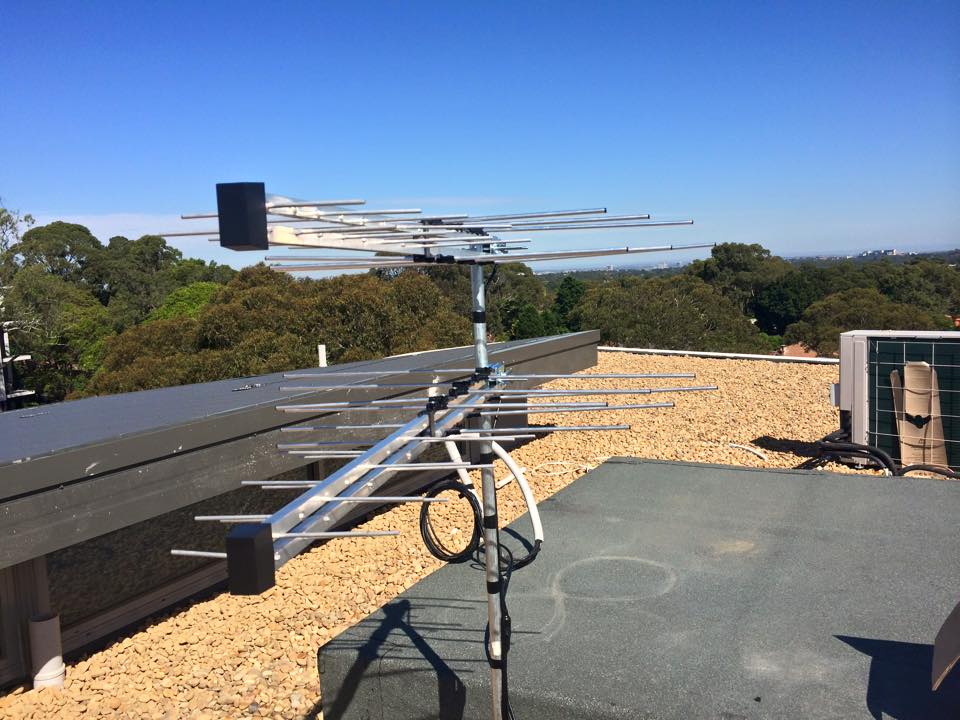
Achieve Perfect Signal: Best Antenna Installation in Sydney
The Ultimate Guide to Antenna Installation in Sydney for Clear Digital TV Reception
A clear, reliable digital TV picture starts with the right antenna, correct installation and professional tuning — especially in a complex urban area like Sydney. This guide explains what modern antenna installation means in practical terms, how professional installation improves reception, which antenna types suit different Sydney suburbs, and what to expect from a compliant, safe installation. Many Sydney households face pixelation, intermittent channels, or no reception at all; this guide shows how correct antenna selection, cabling, and testing can resolve those problems. You will learn the benefits of professional digital TV antenna installation in Sydney, how to choose between UHF, VHF and high-gain options, what the installation process looks like from site survey to MER/BER testing, and what to expect regarding antenna installation costs. Throughout the guide, we reference common service options like signal booster installation Sydney and extra TV points Sydney, so you can compare solutions and request the right support for clear TV reception Sydney.
What Are the Benefits of Professional Digital TV Antenna Installation in Sydney?
Professional antenna installation delivers measurable improvements in picture stability, channel availability and long-term reliability by combining the right antenna, correct placement and calibrated signal testing. Technicians use signal-strength meters and MER/BER analysis to tune installations so viewers experience fewer dropouts and less pixelation. Professionals also follow safety and compliance procedures for rooftop work and earthing to reduce risk and ensure longevity of the installation. Equipment selection matters too: choosing an antenna designed for local reception conditions, robust mounts for coastal roofs, and quality coaxial cabling prevents signal loss and corrosion. We stand by the quality of our work and the products we use, ensuring your peace of mind with every installation.
This section summarises the primary customer-facing benefits before exploring DIY risks and the reception mechanics in more detail.
Professional installation beats DIY for these main reasons:
- Reliable tuning: Accurate MER/BER testing ensures channels are received within acceptable error rates.
- Safety and compliance: Roof access, earthing and regulatory procedures are handled by trained technicians.
- Appropriate equipment: Installers select antennas, amplifiers and cabling suited to local signal conditions.
These benefits translate into fewer callbacks and longer-lasting, clearer TV reception.
| Benefit | Mechanism | Practical Result |
|---|---|---|
| Reliable tuning | MER/BER and dB measurements | Fewer pixelation issues and stable channels |
| Safety & compliance | Proper mounting and earthing | Reduced accident risk and electrical safety |
| Quality equipment | Specified antenna & cabling | Longer lifespan and resistant to weather |
Why Choose Professional Installation Over DIY Antenna Setup?
DIY antenna work often seems cheaper upfront, but commonly leads to recurring problems because of missed tuning, poor cable choices or unsafe roof work. Professional installers bring specialised tools and experience to identify interference, measure signal-to-noise ratios, and adjust antenna direction for optimal reception. Trained technicians also follow compliance practices for mast mounting, lightning protection and correct earthing to protect equipment and occupants. Choosing professional installation reduces the likelihood of repeated service calls and avoids the false economy of cheap fixes, and it means installations are completed with thorough testing and reliable service.
This understanding of DIY risks leads naturally to considering how antennas themselves improve reception when correctly selected and positioned.
How Does a Digital TV Antenna Improve Your Sydney TV Reception?
A digital TV antenna improves reception by increasing signal gain and optimising directionality toward broadcast transmitters, which raises the signal-to-noise ratio at the TV tuner. Correct placement—clear line-of-sight, height above obstructions and secure mounting—reduces multipath interference common in urban areas. High-quality coaxial cabling and correct connectors preserve that signal over the run to the TV or distribution amplifier, avoiding dB loss that causes pixelation. When appropriate, masthead amplifiers or distribution amplifiers compensate for long cable runs or multiple TV points, but they must be specified based on measured signal levels to avoid over-amplification and additional noise.
Understanding placement and cabling mechanics helps decide which antenna type is right for a given Sydney suburb.
Which Types of TV Antennas Are Best for Sydney Homes?
Choosing the right antenna depends on local transmitter geometry, building height and expected channel bands; common options include UHF, VHF, omnidirectional and high-gain directional antennas. UHF antennas are typically used for most free-to-air digital TV channels in Australia and perform well in areas with moderate line-of-sight to transmitters. VHF antennas are necessary where lower-frequency channels are used or for some regional broadcasts. High-gain directional antennas are suited to distant or weak-signal suburbs, while omnidirectional antennas suit locations with varied signal directions or multi-transmitter reception needs.
Below is a comparison to help match antenna type to common Sydney scenarios.
| Antenna Type | Characteristic | Best Use in Sydney |
|---|---|---|
| UHF antenna | Compact, high-frequency | Inner and many suburban areas for standard digital channels |
| VHF antenna | Lower-frequency coverage | Areas needing specific VHF channels or mixed-band reception |
| High-gain directional | Increased forward gain | Distant suburbs or obstructed line-of-sight situations |
This comparison clarifies when each antenna class is preferable for clear TV reception.
- Distance to transmitter: Longer distances usually require higher-gain directional antennas.
- Roof environment: Coastal, exposed roofs benefit from corrosion-resistant mounts and Australian-made parts.
- Channel mix: If both UHF and VHF channels are required, a combined or dual-band solution is necessary.
These selection rules lead to a short decision table for UHF vs VHF and when to add boosters.
What Is the Difference Between UHF and VHF Antennas?
UHF and VHF operate on different frequency bands, which affects antenna size, design and how signals propagate through urban environments. UHF (higher frequency) provides compact antennas and works well for most metropolitan digital channels, while VHF (lower frequency) needs larger elements and is used for specific channels that require longer wavelengths to propagate. In Sydney, most viewers will rely primarily on UHF reception, but fringe locations or certain broadcasters may still require VHF capability. Selecting the correct band is a technical decision made after signal measurement during a site survey to ensure the final configuration captures the intended channels.
Recognising these frequency differences clarifies when signal amplification is helpful and when it can be counterproductive.
When Are Signal Boosters and Amplifiers Necessary?
Signal boosters and masthead amplifiers help when measured signal levels are low or when a single feed is split to multiple TV points across long cable runs. A booster is appropriate if dB measurements show a weak signal before distribution, and splitting losses would otherwise drop the tuner below acceptable MER/BER thresholds. However, boosters must not be used when signals are already strong, as over-amplification raises noise and can worsen reception. Proper installers assess signal strength, use balanced splitters and specify masthead amplifiers only when they improve the signal-to-noise ratio meaningfully.
This diagnostic approach leads naturally to describing the professional installation workflow you should expect.
How Does the Professional Antenna Installation Process Work in Sydney?
A professional antenna installation follows a predictable workflow from assessment to final testing to ensure both performance and safety. The process starts with an initial site survey to measure channel strengths and evaluate roof access, then proceeds to equipment selection, safe mounting, cabling, tuning and MER/BER verification with client sign-off. Installers document the completed work, provide details on our service commitment, and advise on maintenance or signal monitoring where needed. Clear communication throughout the process reduces surprises and sets expectations for outcomes like clearer channels and fewer service calls.
- Site survey and signal measurement: Technician maps channels and dB levels.
- Equipment selection and planning: Choose antenna type, amplifier and cabling based on survey.
- Safe installation and mounting: Secure mast, seal penetrations, and manage earthing.
- Tuning and testing: MER/BER and channel scans confirm reception before handover.
This stepwise workflow shows how each phase builds on the last to deliver reliable reception.
What Happens During the Initial Site Assessment and Survey?
During the initial survey, a technician measures signal strength for each broadcast channel, evaluates line-of-sight to transmitters and inspects roof access and mounting points. Tools used include satellite-style meters for dB readings and software for channel mapping, which together reveal whether UHF, VHF or a combined antenna is required. The survey also notes cable routes, potential interference sources and any structural considerations for safe mast installation. Based on these findings, the installer recommends the precise equipment and provides a transparent price for the work.
A clear, documented assessment ensures the selected solution directly targets the measured reception issues and avoids unnecessary equipment.
What Are the Key Steps in Safe and Compliant Antenna Installation?
Safe and compliant installation involves correct ladder and roof practices, secure mast mounting, proper earthing/grounding and sealed cable entries to prevent water ingress. Installers must follow local safety norms and use fall-prevention gear while routing cables neatly and avoiding electrical hazards. Compliance also includes using quality splitters, weather-rated coax and ensuring that amplifiers are correctly earthed to reduce lightning risk. These practices safeguard both the household and the equipment while maximising signal reliability.
Because compliance is essential, many homeowners choose professional installers who are committed to high standards of service and customer satisfaction. We offer comprehensive installation services, ensuring quality and peace of mind.
How Much Does Antenna Installation Cost in Sydney?
Antenna installation costs in Sydney vary depending on the complexity of the job. Standard single-antenna installations with one TV point are typically straightforward, while more complex jobs involving difficult roof access, additional TV or data points, or satellite work will naturally incur higher costs. Key factors influencing the price include the type of antenna, roof height and material, the number of TV points required, any necessary cable replacement, and whether signal boosters or distribution amplifiers are needed. We believe in transparent pricing and provide itemised quotes so homeowners can understand the value and avoid any surprise extras.
Below are key cost factors and a simple breakdown to help estimate antenna installation costs in Sydney.
- Antenna type and brand: High-gain or dual-band antennas may be a greater investment than basic UHF units.
- Roof access and work complexity: Steep or tiled roofs increase labour time and risk.
- Number of TV/data points: Each additional point requires cabling and termination.
These factors determine the final quote; for precise figures, we recommend requesting a personalised quote based on an on-site survey.
| Service Element | Attribute | Cost Consideration |
|---|---|---|
| Standard install (single antenna, one point) | Basic UHF, easy access | Represents a foundational investment for clear reception. |
| Complex install (high mast, tiled roof, multiple points) | Extra labour & materials | Reflects the increased effort and specialised components required. |
| Signal booster or amplifier | Masthead or distribution | An additional investment for optimising signal strength in challenging areas. |
What Factors Influence the Price of Antenna Installation?
Price is influenced by antenna complexity, roof type and accessibility, number of TV points, cable length and quality, and whether amplifiers or satellite services are required. Travel to specific suburbs and any structural work needed for secure mounting can also change costs. Transparent quotes should list these factors so clients understand each charge rather than receiving a flat, opaque price. A professional installer’s personalised quote offer is the best route to an accurate, itemised estimate.
A clear quote reduces surprises and highlights the value of professional installation over cheap, untested alternatives.
What Value Does a Professional Installation Provide Compared to Cheap Alternatives?
Professional installation reduces long-term costs by avoiding repeated call-outs, using compliant equipment and providing quality workmanship that cheap alternatives often omit. Although low-cost installers may offer lower initial prices, they commonly skip tuning and testing steps that lead to performance issues later. A professional job includes thorough testing (MER/BER), correct earthing and documented sign-off, which together provide peace of mind and fewer maintenance expenses. For homeowners seeking reliable long-term results, comparing itemised quotes and understanding the commitment to quality is the best strategy.
For those ready to proceed, we offer personalised quotes and a full range of services from digital TV antenna installation and repair to home theatre installation, TV wall mount and extra TV/phone/data points. Contact us directly by phone to discuss your needs and receive a tailored solution for clear TV reception.