Antenna Installation in Sydney: How Building Types Affect the Installation Process in 2026
By Adam Busuttil, ARB Antennas
Antenna installation can vary significantly based on the type of building, impacting everything from the technology used to the challenges encountered. In Sydney, the methods of installing antennas in apartments, terraces, and federation homes require specialist knowledge and understanding of the specific architecture involved. This article will delve into how different building designs influence the installation process and signal quality, providing clear insights for homeowners and property managers alike. You will learn about unique challenges posed by each building type, compliance with local regulations, and best practices for ensuring optimal signal reception. Additionally, we will explore the essential practices that can guide you through the complexities of antenna installation based on your building type.
Apartments
Apartments present distinct challenges when it comes to antenna installation. The limitations of shared spaces, restricted roof access, and building regulations necessitate a tailored approach to each installation. Understanding these factors is crucial for achieving optimal signal quality and compliance with local laws, which often dictate antenna placement and type.
What Are the Key Challenges of Installing TV Antennas in Sydney Apartments?
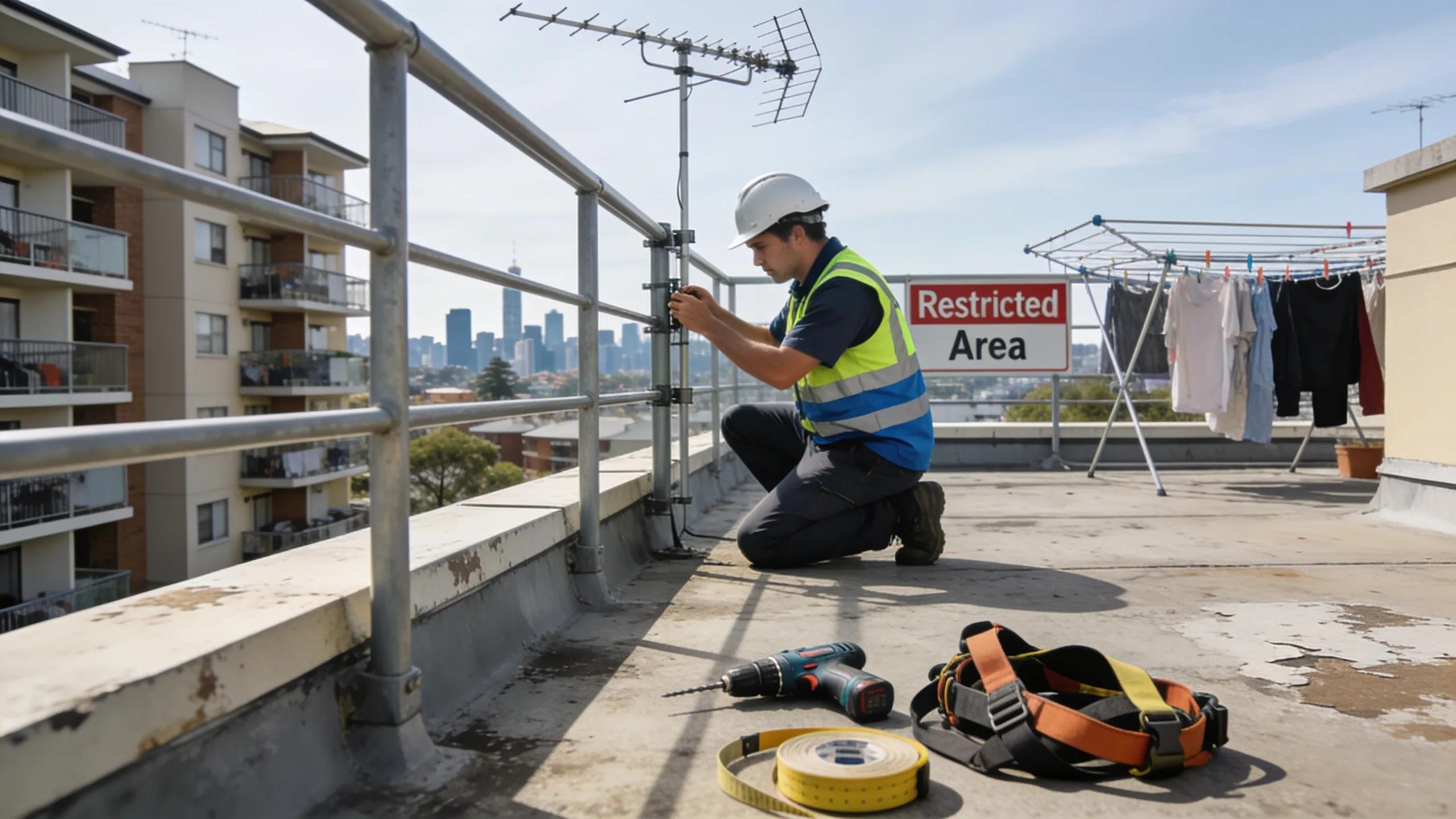
Installing antennas in Sydney apartments often involves significant logistical and regulatory challenges. Structural limitations, such as limited roof access and the presence of other buildings, can hinder effective antenna placement. Furthermore, local regulations may impose restrictions on the types of antennas that can be installed, complicating the process further. These challenges highlight the need for professional guidance to navigate the complexities of installation and ensure compliance with all necessary regulations.
How Do Mounting Restrictions Impact Apartment Antenna Installation?
Mounting restrictions significantly affect antenna installation in apartments. Regulations may limit where antennas can be installed, impacting both aesthetic and functional considerations. These constraints often require creative solutions that comply with building standards while still ensuring optimal signal reception. Understanding these regulations is essential to avoid fines and ensure that installations are both legal and effective.
Which Digital Antenna Types Best Suit Multi-Dwelling Buildings?
When selecting antennas for multi-dwelling buildings, specific types are recommended due to their design and functionality. Outdoor directional antennas, multi-band antennas, and indoor amplified antennas are among the best options for providing consistent signal quality in apartment settings. These antennas are designed to overcome typical challenges encountered in urban environments, delivering reliable performance in diverse conditions.
Terraces
Terrace houses in Sydney present their own set of challenges due to their unique architectural features and layout. The narrow profile and shared rooftops can complicate the installation process, requiring particular attention to detail and neighbour coordination to ensure successful outcomes.
What Installation Considerations Are Unique to Terrace Houses in Sydney?
The installation of antennas on terrace houses must consider several unique aspects, such as shared rooftop access and the potential for interference between properties. Effective communication with neighbours is crucial to facilitate antenna placement that benefits all parties involved. Special mounting techniques may need to be employed to avoid structural damage and maintain the aesthetic integrity of the building.
How to Comply with Local Regulations for Terrace House Antenna Fittings?
Compliance with local regulations is paramount when installing antennas on terrace houses. This includes ensuring that installation methods align with safety standards and obtaining the necessary building approvals. Understanding the local council’s requirements for antenna installation will help protect your interests and ensure that installations adhere to established guidelines.
What are the best practices for Outdoor Antenna Installation on Terraces?
Successful outdoor antenna installation on terraces requires adherence to best practices, including proper mounting methods, securing antennas against winds, and ensuring optimal alignment for signal quality. Additionally, utilising materials that blend aesthetically with the terrace structure can help maintain the property’s visual appeal while providing excellent reception.
Federation Homes
Federation homes in Sydney, with their intricate architectural styles, present special considerations for antenna installations. The historical significance and unique design elements of these homes necessitate careful planning to ensure compliance and aesthetic integrity.
How Does Federation Home Architecture Influence Antenna Setup Choices?
Federation home architecture influences antenna setup choices significantly. The necessary preservation of historical features can limit antenna placement options, requiring installers to consider discreet options that do not detract from the home’s character. This balance between functionality and aesthetics is essential to ensure that installations meet both regulatory and homeowner expectations.
What Are Heritage Compliance Requirements for Federation Home Antennas?
Heritage compliance requirements for antennas on federation homes typically include restrictions on antenna types, placement, and aesthetic impact. Regulations often mandate the use of specific materials or concealed systems to preserve the home’s historical appearance. Understanding these requirements is crucial for homeowners seeking to avoid penalties and ensure a compliant installation process.
Which Antenna Installation Methods Preserve Federation Home Aesthetics?
Several installation methods can help maintain the aesthetic qualities of federation homes while ensuring functional antenna setups. Techniques such as inconspicuous placements, using heritage-compliant materials, and consulting with heritage experts are valuable for balancing modern technology with traditional appearance. Employing careful planning and execution can protect both the antenna’s functionality and the home’s historical integrity.
Sydney’s 2026 Regulatory and Safety Standards for Antenna Installation
As of 2026, Sydney’s regulatory landscape surrounding antenna installations has evolved, introducing new safety guidelines and compliance measures for installers. Understanding these regulations is critical to ensuring that installations meet both safety and performance standards.
Which Sydney Council Permits Are Required for Antenna Installations?
For antenna installations in Sydney, several council permits may be required, depending on the type of installation and the building’s location. Homeowners should consult their local council for specific permits, application processes, and associated fees to ensure compliance before beginning any installation work.
How Do Updated Building Codes Affect Installation Compliance?
Recent updates to building codes in Sydney have changed the landscape for antenna installation compliance. These revisions may include stricter safety standards, new procedures for obtaining permits, and adjustments to installation practices to enhance safety and functionality. Familiarising oneself with these updated codes is essential for ensuring that any antenna installation is compliant with the latest legal requirements.
How Can Signal Quality Be Optimised Across Different Sydney Building Types?
Optimising signal quality across various building types is a multifaceted process that involves considering structural factors and antenna technologies. Understanding how to overcome common signal challenges can significantly improve television reception and viewing experiences for residents.
What Troubleshooting Techniques Improve Digital Antenna Reception?
Effective troubleshooting techniques are critical for enhancing digital antenna reception. Common strategies include checking the antenna’s alignment, using signal amplifiers as needed, and assessing for obstructions that may disrupt signal paths. By implementing these techniques, homeowners can greatly enhance the performance of their antennas, ensuring reliable signal quality.
How Does Building Structure Affect Signal Strength and Antenna Placement?
The structure of a building plays a significant role in determining antenna placement and overall signal strength. Factors such as building height, materials used in construction, and architectural features can all impact signal reception. Analysing these characteristics allows for the effective placement of antennas that can maximise signal strength and minimise interference.
Why Choose Professional Digital Antenna Installation Services in Sydney?
Selecting professional digital antenna installation services is a wise decision for homeowners who want to ensure optimal results. Expert installers possess the knowledge and experience necessary to navigate the specific challenges of various building types, ensuring compliant and effective installations.
What Are the Benefits of Expert Installation for Apartments, Terraces, and Federation Homes?
Hiring professionals for antenna installations offers numerous benefits, including expert compliance with local regulations and tailored solutions to meet unique building requirements. Professional installers ensure enhanced signal quality through strategic planning and installation techniques, ultimately aiding homeowners in achieving the best possible reception outcomes.